
By Terri Somers
Senior Manager, Global Public Relations and StoryLab
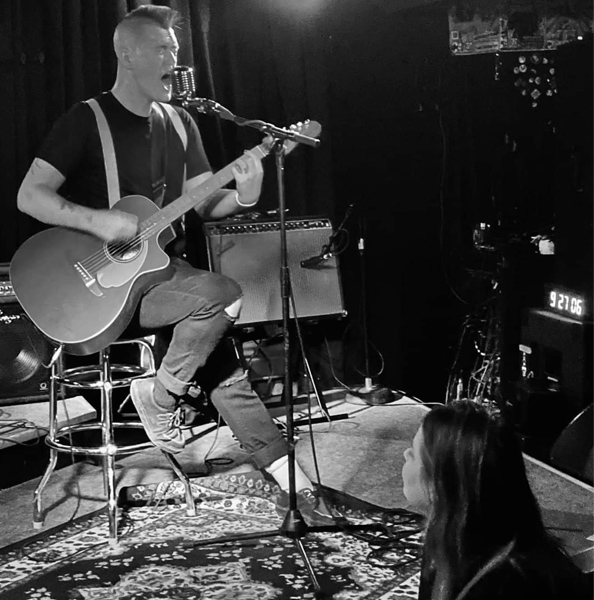 Chris Chamberlain-Nonan on stage, performing with his band.
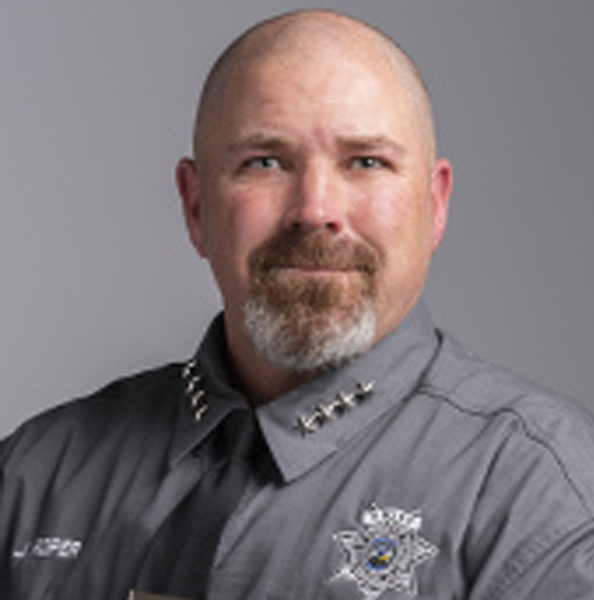 Washoe County DAS Chief Justin Roper.
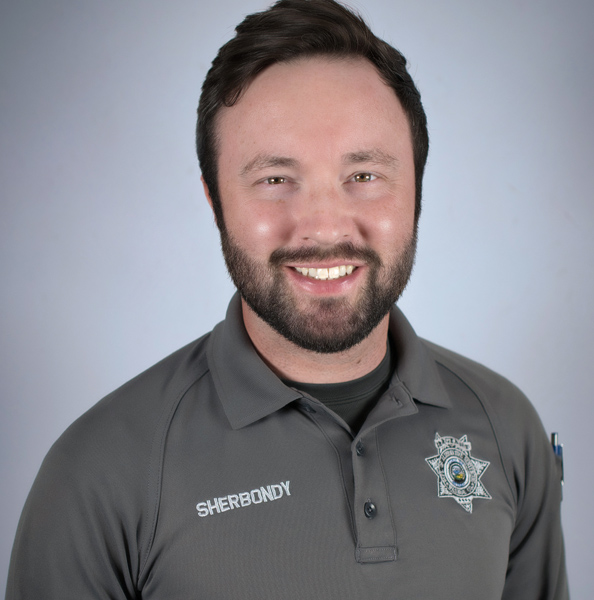 Washoe County DAS Sergeant Andrew Sherbondy.
STAR personnel and programs, which include probation officers, clinicians, case workers, peer counselors, psychological and drug counselors, job training, and sober-living facilities, anticipate relapses. When it happens, personnel work with individual probationers to identify what led to the relapse and what factors need to be addressed to continue rehabilitation and the quest for sobriety. A probation officer may also increase the frequency of random testing.
“This approach definitely makes the job harder, but it is much more rewarding work,” Roper said.
In 2023, DAS diverted probationers from 284,670 days in jail. At $178 a day per person, the county would have spent $50.7 million that year to keep those people locked up. Since the county jail cannot handle a big population, it is likely many people would have been released, untreated, back into the community, Roper said. Now that $50 million is being spent elsewhere in the community, including rehabilitation efforts, he said.

"It’s not about a choice a person is making, it’s about treating a disease. If you treat the disease, the symptoms begin to remedy themselves. It’s not an opinion: The data is empirical proof."
Washoe County DAS Sergeant
Sober 24
DAS supervises people placed on probation for misdemeanor cases. People charged with a felony may also be sent to DAS before standing trial.
In 2015, DAS created Sober 24, its drug testing program with a name that nods to the 24-hour rule (one day at a time) for people in recovery. Back then, a drug test was a cup containing reagents, substances that reacted to the presence of drugs and alcohol in a urine sample, which produced a line to indicate positive or negative. The cups were limited in the substances for which DAS could screen and were generally behind on emerging drug trends, Roper said.
DAS modernized its drug testing in 2019, with a combination of leased and purchased equipment from Thermo Fisher, which included a medium-to-high-throughput analyzer capable of running hundreds of tests per hour for different substances. It was a significant expenditure for the county, but officials were convinced the drug problem would not disappear.
Thermo Fisher’s technology offerings also included software that integrated with Washoe County’s state-mandated case management system, allowing DAS to customize its drug-testing panels to meet the needs of the individual probationers and their drug predilections.
Thermo Fisher provides DAS with 17 different immunoassays, or substance tests, including marijuana, methamphetamines, fentanyl, alcohol, benzodiazepines, and opiates, the most common drugs of abuse in Washoe County, Roper said. DAS has created a system of rotating assay panels, each containing a few identified as necessary for the individual and the illicit drugs currently circulating in the community, he said. It is less expensive than running every assay for every person and it is a way to remain unpredictable to probationers, he said.
Automation of drug testing has enabled DAS to increase its utilization of drug testing. Most DAS cases require twice-weekly drug testing, though sometimes a third test may be added “to keep them guessing,” Roper said.
Before automation, Sober 24 performed 26,000 drug urine tests annually, Roper said. From May 19, 2019, when the new automated lab went online, until the end of that year, 45,284 samples were processed, using 328,353 assays. In 2022, Sober 24 purchased an even larger piece of equipment to handle the demand of more than 1 million tests annually.
“One of the great things about working with Thermo Fisher is that we can tell them about new drugs showing up here, such as kratom, and we can add it to the pool of drugs that we test for,” Roper said. Kratom is an opioid-like herbal substance that law enforcement agencies generally do not test for, he said. When it was added to DAS drug panels, there was a 30 percent positivity rate, which indicates addicts had switched to kratom to get high and avoid detection, he said.
The conversations with Thermo Fisher are ongoing because the drugs are constantly changing, he said. For instance, a more recent discussion with the company has been Washoe County’s emerging issue with xylazine, a non-opioid horse tranquilizer commonly known as “tranq.” Because it is cheaper than opioids, dealers are mixing it in with heroin, fentanyl, and cocaine to bulk up the volume without lessening the effect, Roper said. In late 2023, Thermo Fisher released a xylazine point-of-care test, based on feedback from Roper and other customers.
Other law enforcement agencies and specialty courts have noted Sober 24’s value, including domestic violence and felony courts. It now serves as a regional drug testing facility, providing best-practice drug testing services and quick turnaround of results to 27 local and regional agencies. Outside agencies, called “courtesy cases,” must pay a fee that covers the cost of supplies and usage of the analyzer.
Last year, DAS supervised about 791 probation cases, 1,255 pretrial cases, and 2,414 courtesy cases per month. In 2019, when Roper became chief of DAS, it averaged 802 probation cases, six pretrial cases, and 363 courtesy cases per month.
Word of Sober 24’s success has spread beyond the county. Judges from Clark County, which includes Las Vegas, contacted Roper seeking help to establish a testing center there modeled after Sober 24. When no municipality stepped up as the sponsor, Roper and his wife built Sober Testing Services, a private testing facility, again using Thermo Fisher technology, to service multiple agencies in the county.
A Look at Success
For many drug users, the specter of regular, random testing helps motivate them to get sober and stay that way.
Chris said he needed the forced accountability.
“Without all that testing, I wouldn’t have the level of confidence and comfort I now have in my sobriety”
“Without all that testing, I wouldn’t have the level of confidence and comfort I now have in my sobriety”
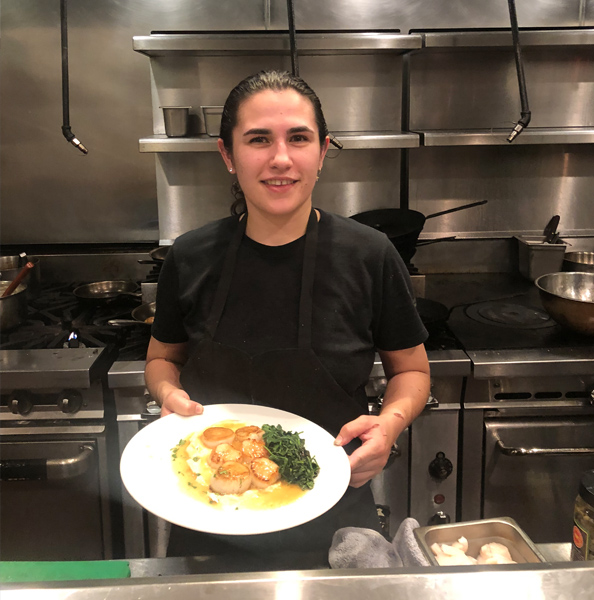 Jasmin Malik, STAR program graduate, at work.
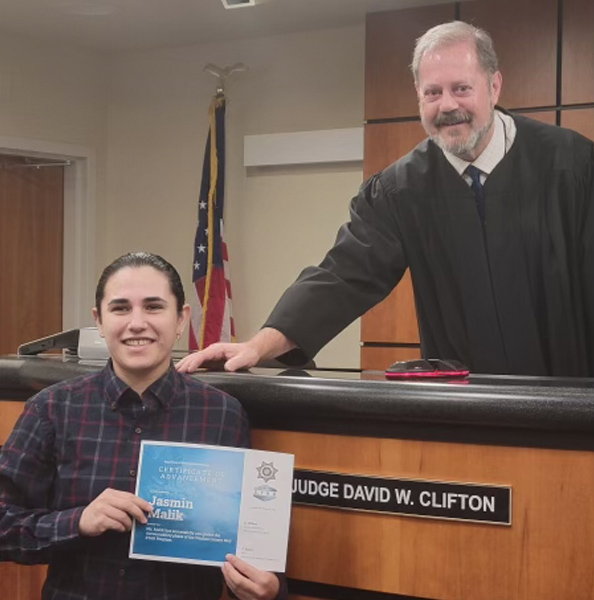 Jasmin Malik shown graduating from the STAR program.