
By Erin Campbell
Senior Manager, Communications
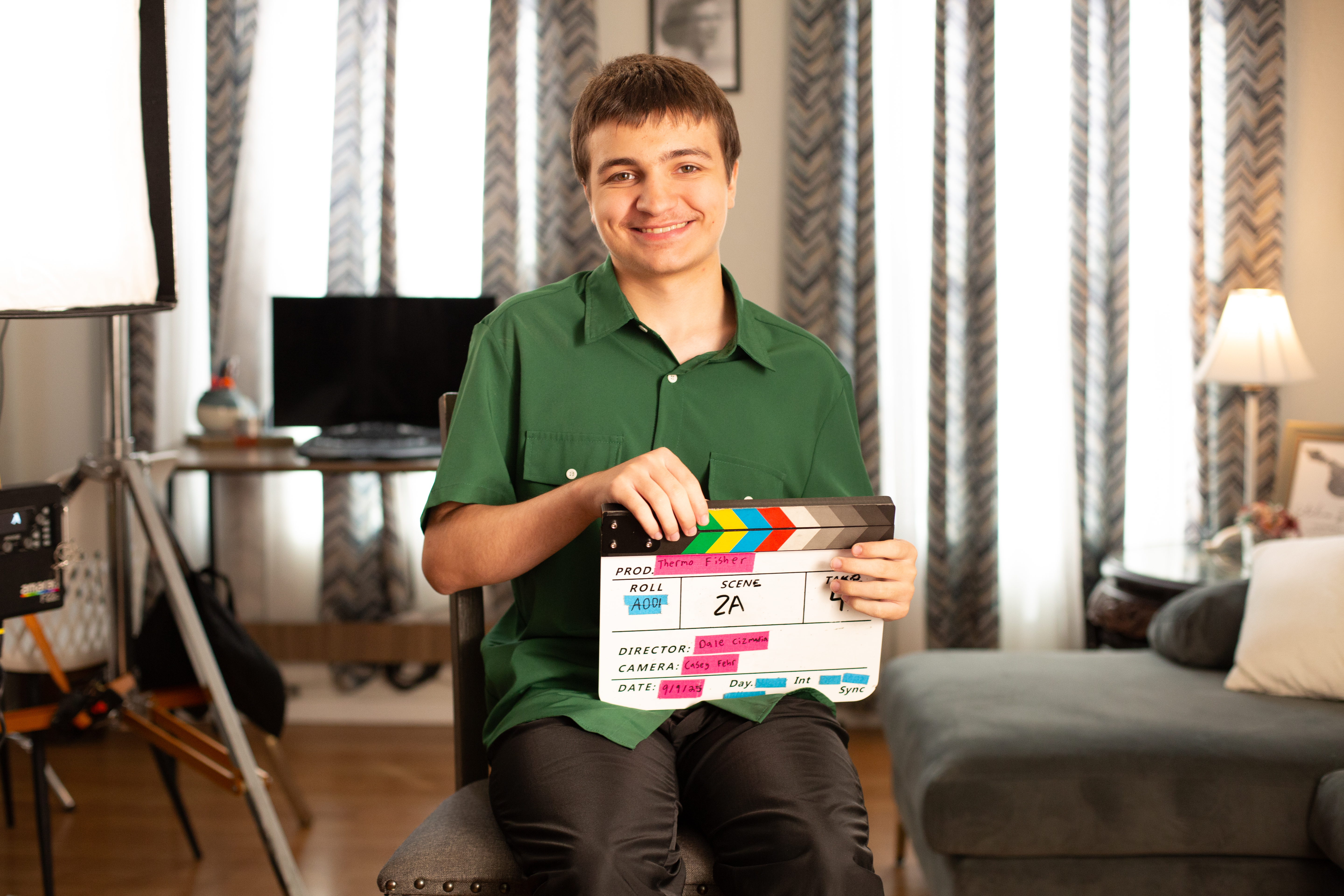 Gideon, now 15 years old, now dreams of pursuing a career in IT.
After years of standard treatment, Gideon went into remission in 2019, but the relief was short-lived. His cancer returned later that year and his family braced for the worst. Then doctors proposed a new option: chimeric antigen receptor T cell therapy, or (CAR-T) cell therapy for short. The treatment alters a patient’s own immune cells to recognize and destroy cancer. For Sosy, that moment felt almost miraculous and provided a glimmer of real hope after years of uncertainty.
“As soon as [the doctor] said that it was just like fireworks and happiness and lightning and sunshine and rainbows,” Sosy said.
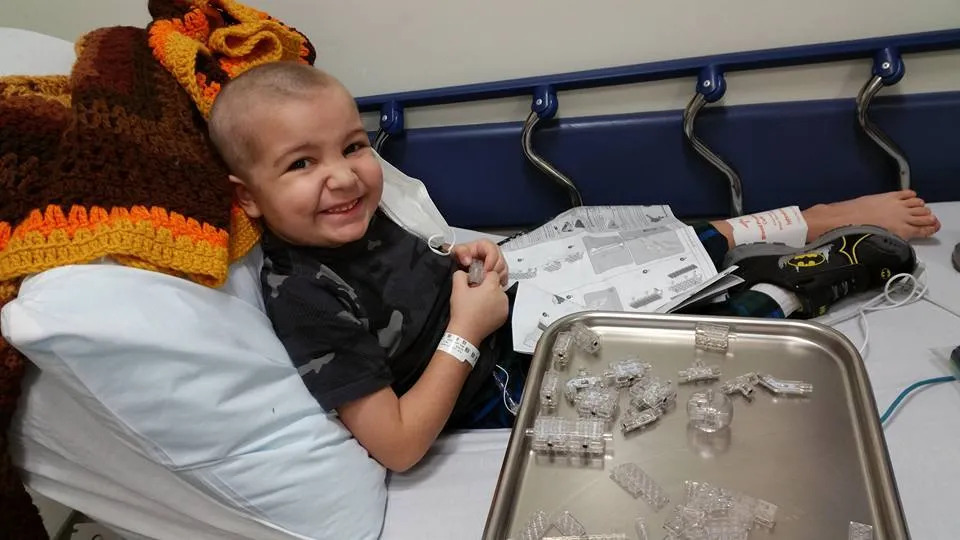 Gideon in early 2019 just before his relapse

“Now we just live life. Watching him grow and be a normal teenager is the greatest gift.”
When asked how he stays positive, Gideon doesn’t hesitate. He recalls a line from one of his favorite movies, Kung-Fu Panda, about how “yesterday is history, tomorrow a mystery, but today a gift.” It’s a reminder he tries to live by every day.
“If something bad happens, make the best of it,” he added. “Stay strong. When you’re strong, you get to see the future you wouldn’t have seen otherwise.”
That strength, Sosy said, carried their family through long hospital stays, countless procedures and the constant fear that even a small fever could mean something worse. Through setbacks, sleepless nights and moments of profound fear, they held tightly to hope and focused on doing whatever it took to help Gideon.
“We trusted science, we trusted the doctors and we trusted that we were in the right hands,” Sosy said.
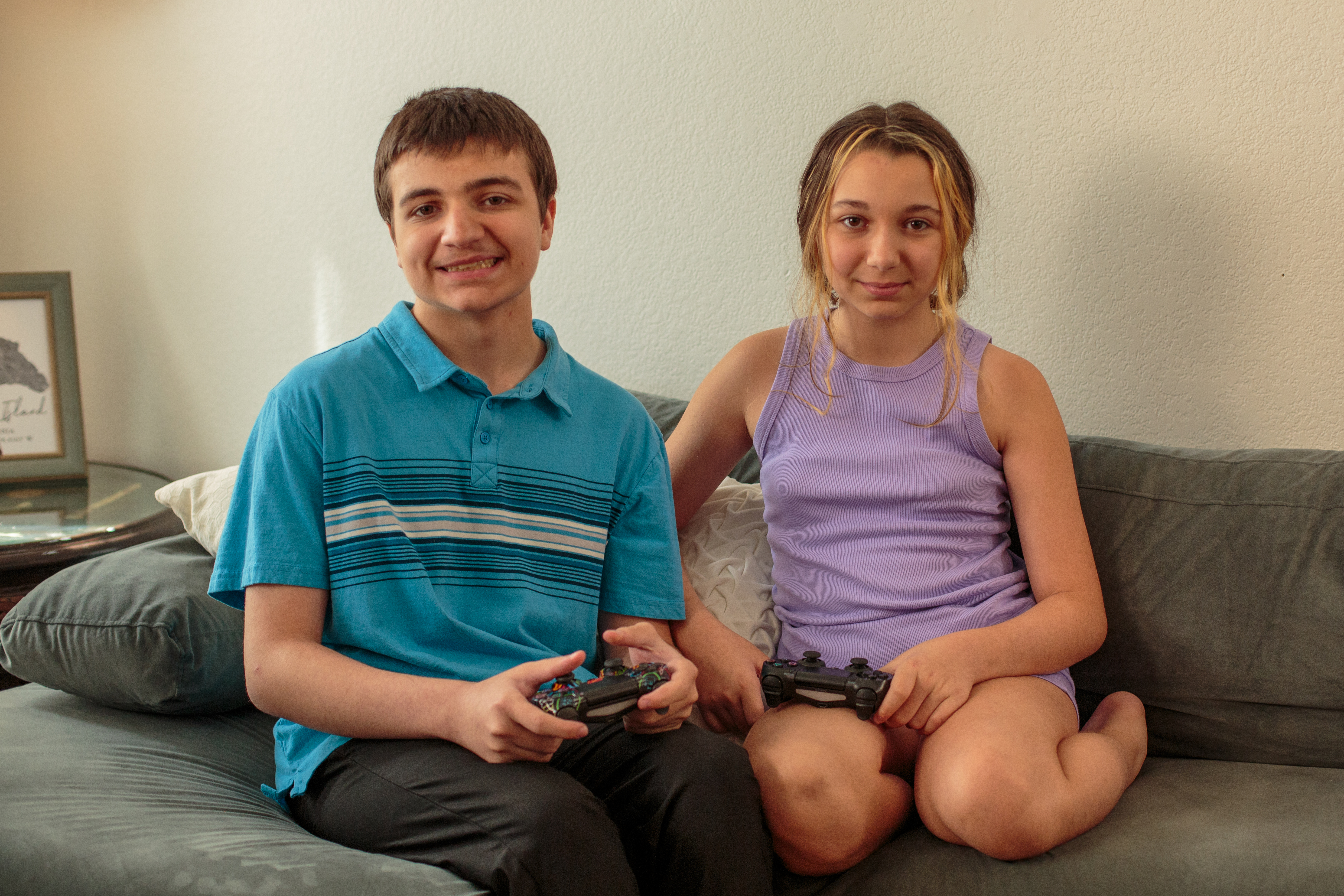 Gideon pictured with his sister Catalina playing video games.
To administer CAR-T cell therapy, doctors begin by collecting a type of white blood cell, called a T cell, from the patient’s bloodstream. In a specialized lab, those cells are genetically re-engineered to recognize a protein marker found on cancer cells. Once modified, millions of the cells are grown and infused back into the patient. From there, they travel through the body, seek out the cancer cells and destroy them.
While doctors are the ones to administer CAR-T therapy to their patients, Thermo Fisher plays an important role in the background. The company equips scientists, clinicians and biopharma companies with the tools, services and expertise needed to help move therapies like the one used to treat Gideon from early discovery to real-world impact. After white blood cells are collected, Thermo Fisher’s Invitrogen™ Dynabeads™ magnetic beads are used to isolate and activate the T cells. From there, researchers rely on media, reagents, gene-delivery tools, automation systems and analytical technologies – like those provided by Thermo Fisher – to grow the cells and ensure every dose is consistent, safe and ready for infusion.
“We help our customers overcome challenges with advanced tools and automated systems that improve consistency, reduce risk and cost, and help bring therapies to patients faster,” Nicole said.
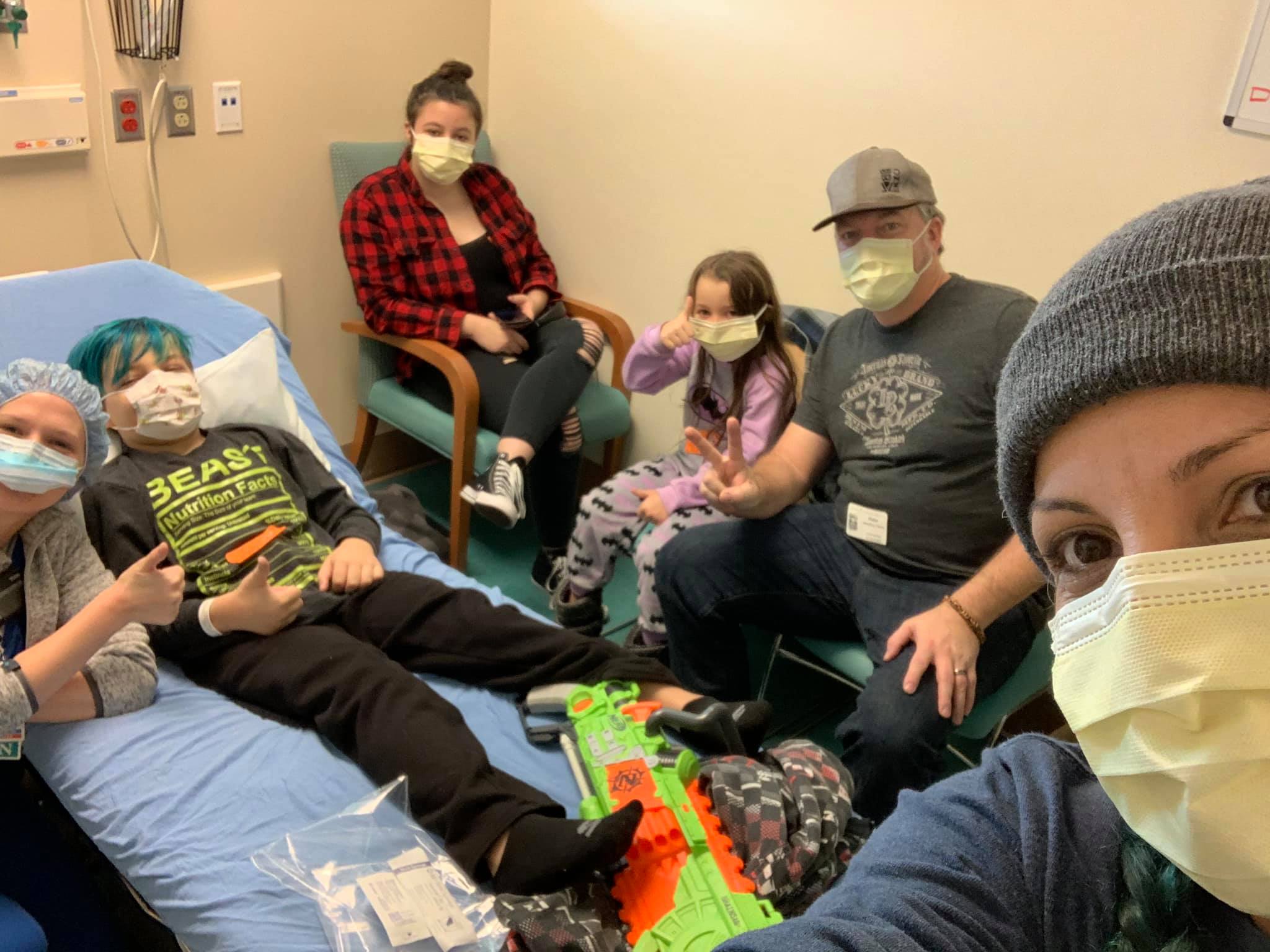 Gideon gives the thumbs up during a hospital visit while surrounded by his family.
A mission in action
Six years after his CAR-T infusion, Gideon is living proof of the impact science can have on a life. “Without CAR-T, I probably wouldn’t be here,” he said. “Science and the people who make it possible saved my life.”
Sosy called it a miracle of both science and hope: “The future used to feel uncertain. Now it feels bright and full of promise.”
For Nicole, that’s the heart of Thermo Fisher’s Mission: to enable its customers to make the world healthier, cleaner and safer. “Every day here [at Thermo Fisher] means more hope for someone out there,” Nicole said. “It means a child like Gideon gets another tomorrow. That’s why we do this. That’s who we are.”
When asked about his own tomorrow, Gideon smiled and said, “I’m excited for the future.”
And now, his mom allows herself to dream alongside him.