
404
The page you requested could not be found.
The page you requested could not be found.
Search
June 2025 | ✓ Medically Reviewed by: Gary Falcetano, PA-C, AE-C
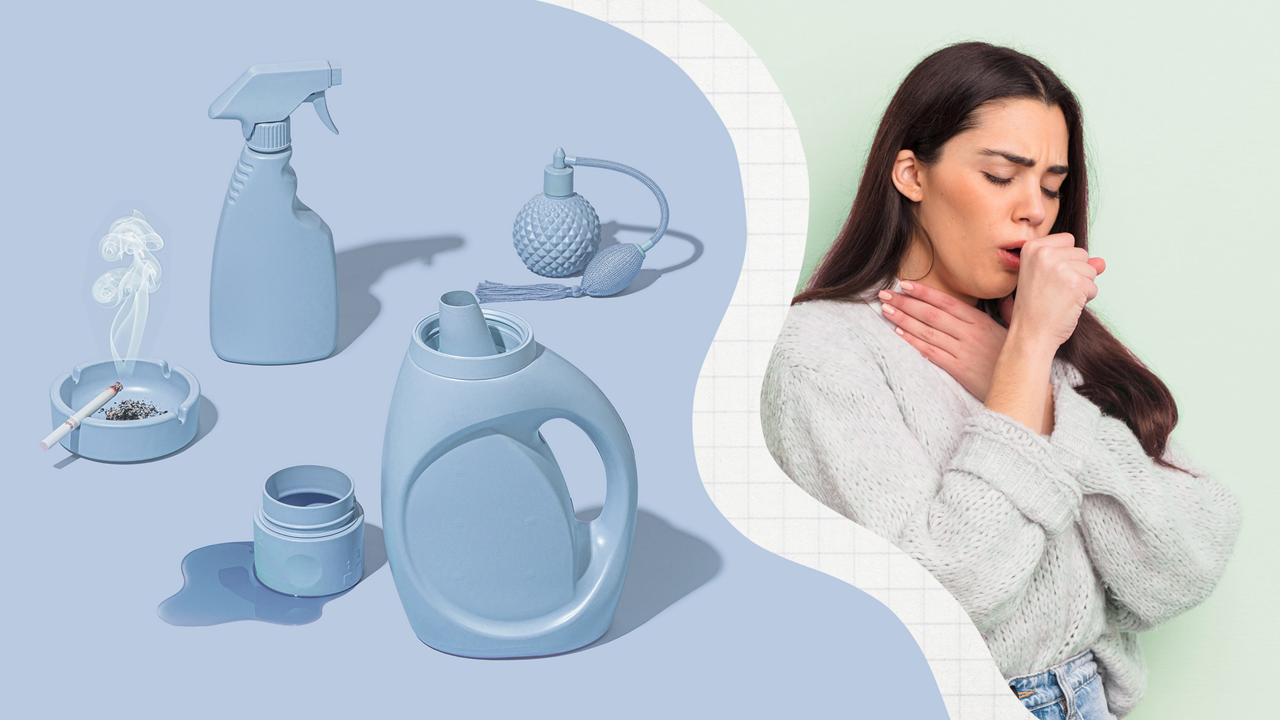
An industrial chemical spill near your home is unlikely. But there are plenty of chemicals that you can run across in your daily interactions – like cleaning your home with some over-the-counter products. What does it mean if you start sneezing and coughing while using them? Are these symptoms of a respiratory disease? Are these allergic reactions to chemicals?
Reactions triggered by chemicals and reactions triggered by allergens share many similar symptoms, but there is one important difference. When you have an allergic reaction, it’s your body reacting to a normally harmless substance such as pollen, mold, or pet dander. This overreaction stimulates the release of histamine and other substances that are responsible for common allergy symptoms like sneezing, coughing, runny nose, and itchy watery eyes.1
Chemicals, on the other hand, don’t typically generate the production of histamine, which means they’re not true allergens. So, what is the role of chemicals in respiratory disease? And how can you find relief? We answer these and other common questions about chemicals and allergies:
No, chemicals don’t cause allergies. Chemicals are not allergens, they are irritants. However, they can cause a similar type of inflammation that results in symptoms that mimic allergies, e.g., coughing, sneezing, runny nose. These symptoms are classified as non-allergic rhinitis because your body isn’t releasing histamine as it would with an allergy. But irritation to your respiratory tract can increase the risk of these symptoms, and chemicals can be powerful irritants.2
The short answer is, it’s complicated. Allergies and asthma occur due to genetic and environmental factors, and the medical community is still researching how these factors interact. Air pollution itself is complex because it contains chemicals like ozone, nitrogen oxide, and nitrogen dioxide, as well as particles that we inhale. These particles, known as particulate matter (PM), can penetrate deep into our lungs and even into our bloodstream. The effects of air pollution – even without long-term exposure – can lead to potential negative health effects. Exposure to fine particles comes from vehicle exhaust, industrial emissions, and smoke.3
Here are a few risks involved with exposure to and the effects of air pollution:
All of this means that the impact of air pollution can potentially include allergic sensitivity or asthma. But even if there isn’t a direct connection to pollutants and your particular symptoms, poor air quality, thanks to outdoor air pollution, is still a dangerous irritant that can cause symptoms similar to allergies and asthma.3
Portable air purifiers can be used to help remove indoor air pollution and improve indoor air quality. Upgrading the air filter in your heating/cooling system can also help. Either path will help to reduce pollutants but will not remove them all completely.6
If you’re scrubbing your floors or your kitchen countertops and you start sneezing, it isn’t allergies. Cleaning chemicals such as bleach and detergent are a common cause of non-allergic rhinitis. This can result in allergy-like symptoms, but it’s your body reacting to an irritant, not producing an allergic reaction.
No, your favorite perfume or cologne isn’t causing your significant other’s allergies or pulmonary disease, but they can certainly produce troubling allergy-like symptoms or make symptoms coming from allergic triggers like pollen or pet dander be more intense. Body wash, deodorant, and other scented materials can be irritants, but they don’t cause an allergic reaction where the body releases histamine.7
It’s possible, but it’s not a slam dunk. Chemical irritants and outdoor air pollution impact our airways and can aggravate allergies, according to certain studies. Ozone, for example, has been found to increase sensitization to outdoor allergens.3 Pollutants may also interact with airborne allergic triggers like pollen, which can worsen allergy symptoms for those with sensitivities to those pollens. Overall, it’s recommended that anyone with a respiratory condition try to minimize their exposure to chemicals that may exacerbate those conditions.8
The best way to address an allergy is to find out what specifically you’re allergic to. Your provider can order a specific IgE blood test, that along with your history, helps determine which allergen or allergens may be causing your symptoms. With that information, you can avoid exposure to pollen, mold, or your particular triggers, and ensure you take any prescribed medication to manage your symptoms. If you’re experiencing symptoms around chemicals or you've been exposed to air pollution and you know you have allergies, it’s especially important to control your symptoms and limit exposure to your triggers.
If you don’t have a confirmed allergy but you find yourself sneezing, coughing, and having other allergy-like symptoms, resist the urge to take allergy medication or antihistamines. Your body isn’t producing histamine so these medications won’t work. In one study, 65% of patients taking a prescription antihistamine tested negative for an actual allergy, which means time and money was wasted on therapies that won’t bring the level of relief you need.9 (This is also why it’s a good idea to get an allergy test to help guide the selection of appropriate medications and to know what steps to take to reduce your exposure to your specific allergic triggers.)
Should your symptoms persist around cleaning chemicals, perfumes, or air pollution, talk to your healthcare provider about non-allergic rhinitis and potential triggers. They may be able to help you uncover the root cause of your symptoms and then guide you toward the best course of treatment for non-allergic rhinitis.
If you suspect your symptoms might be allergy-related, you can use our allergy symptom questionnaire to help track your symptoms, when they occur, how long they last, and the severity of the symptoms. You can use the results from the questionnaire to help inform a conversation with your healthcare provider.
By addressing any concerns over air quality, chemicals, or pollutants in your environment, you can also take steps to improve your quality of life and overall respiratory health.
Track allergy symptoms and prepare for a visit with a healthcare provider.
Learn about specific allergens, including common symptoms, management, and relief.
Are you a healthcare provider? Get comprehensive information on hundreds of whole allergens and allergen components.
Before you go, we'd appreciate your feedback to help us better understand your needs and improve our services.


Create a summary of your allergy symptoms in a downloadable document

Share the summary with your healthcare provider for a productive conversation about allergy blood testing

Gain an optimized diagnosis and a personalized treatment plan

Allergies affect us all differently. This questionnaire will summarize your specific allergy symptoms to share with your healthcare provider and learn more about your testing options.
|
Create a summary of your allergy symptoms in a downloadable document |
Create a summary of your allergy symptoms in a downloadable document
|
Share the summary with your healthcare provider for a productive conversation about allergy blood testing |
Share the summary with your healthcare provider for a productive conversation about allergy blood testing
|
Gain an optimized diagnosis and a personalized treatment plan |
Gain an optimized diagnosis and a personalized treatment plan

Purchase the same tests your doctor orders and get insights into your health. Our convenient allergy tests can measure your immune response to common allergies found in the air, in foods and with pets.

Buy your own allergy tests online, anytime. Test for 15 common food allergens and up to 25 common indoor and outdoor respiratory allergens. The same quality lab tests doctors use and recommend, but no doctor visit required for purchase.

Get quality care on your schedule. Our board-certified providers can perform an exam, evaluate your symptoms, and test you for allergies to create a personalized treatment plan.
You are now leaving thermofisher.com and going to a site owned and operated by an independent third party. Thermo Fisher Scientific is not responsible or liable for any content or services of any independent third-party site. Thermo Fisher Scientific does not represent independent third parties or the customer if the two enter into a transaction. Privacy and security policies on these sites may differ from those practiced by thermofisher.com. We encourage you to review the policies and terms of all websites you may choose to visit.

You are now leaving thermofisher.com, and going to ondemand.labcorp.com, owned and operated by an independent third party. Thermo Fisher Scientific is not responsible or liable for any content or services of ondemand.labcorp.com. Thermo Fisher Scientific does not represent either Labcorp OnDemand or the customer if the two enter into a transaction. Privacy and security policies of ondemand.labcorp.com may differ from those practiced by thermofisher.com. We encourage you to review the policies and terms of all websites you may choose to visit.
WE’RE HERE TO HELP
Get science-backed answers to your allergy questions. Test your body’s immune response to indoor and outdoor allergens like dust and pollen, dog and cat dander and saliva, or to common food allergy triggers including lactose, shellfish and nuts.

VISIT QUESTHEALTH.COM
Get insights about your health, when you want them. Test for 15 common food allergens and up to 25 common indoor and outdoor respiratory allergens. You will have the option to discuss your results with an independent physician at no extra cost.
You are now leaving thermofisher.com and going to questdiagnostics.com owned and operated by an independent third party. Thermo Fisher Scientific is not responsible or liable for the content or services of questdiagnostics.com. Thermo Fisher Scientific does not represent either Quest Diagnostics or the customer if the two enter into a transaction. Privacy and security policies of questdiagnostics.com may differ from those practiced by thermofisher.com. We encourage you to review the policies and terms of all websites you may choose to visit.

MINUTECLINIC AT CVS
High quality and affordable health care is available on your schedule. Our board-certified providers can perform an exam, evaluate your symptoms, and test you for allergies to create a personalized treatment plan.
Appointments available in-person and virtually 7 days a week, including evenings
You are now leaving thermofisher.com, and going to cvs.com/minuteclinic, owned and operated by an independent third party. Thermo Fisher Scientific is not responsible or liable for the content or services of cvs.com/minuteclinic. Thermo Fisher Scientific does not represent either MinuteClinic at CVS or the customer if the two enter into a transaction. Privacy and security policies of cvs.com/minuteclinic may differ from those practiced by thermofisher.com. We encourage you to review the policies and terms of all websites you may choose to visit.


