
404
The page you requested could not be found.
The page you requested could not be found.
Search
March 23, 2020 | Dr. Lakiea Wright MD MAT MPH
Dr. Lakiea Wright is the Medical Director of U.S. Clinical Affairs in the Immunodiagnostics Division at Thermo Fisher Scientific and a board-certified physician in internal medicine and allergy and immunology. She is a staff physician at Brigham and Women’s Hospital.
The novel coronavirus (COVID-19) is, understandably, on all of our minds. But despite worldwide focus on the virus, we should also be mindful of the other conditions that can cause respiratory symptoms.
We are still in flu season, and across the United States, spring is either in bloom or just around the corner. In other words, it’s a perfect storm of things that can make you cough, sniffle, and sneeze. And with the high anxiety surrounding the novel coronavirus pandemic, many people may be wondering what the differences are between the symptoms of the flu, allergies, and novel coronavirus.
This article is meant as a primer of sorts to help guide you through this stressful time so you can have an informed, productive discussion with a healthcare provider if necessary, and take the right steps to manage symptoms and reduce the spread of the virus.
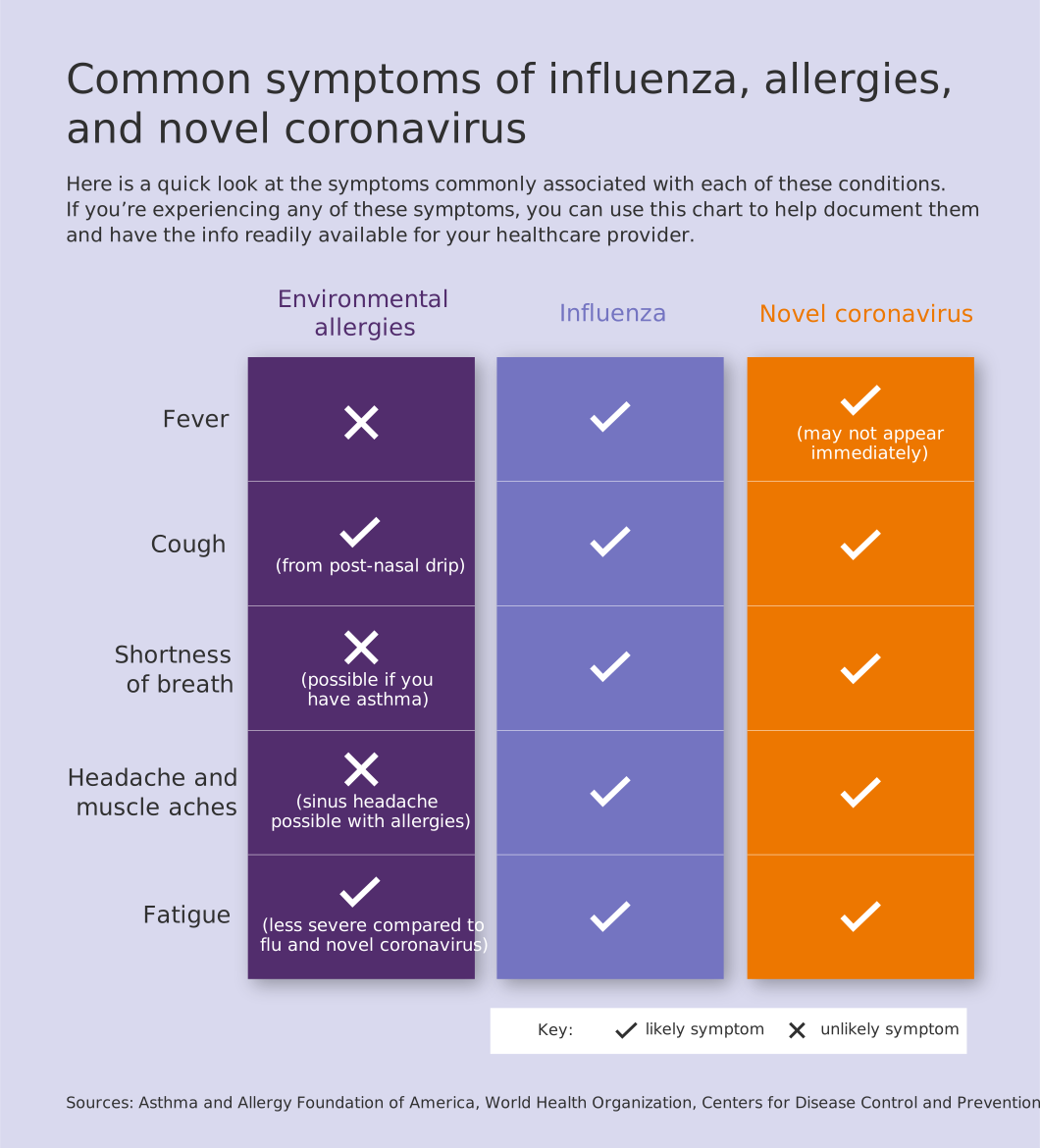
As you can see, there’s a lot of overlap among the symptoms of these three conditions. This can add to the confusion about when to seek medical care, and for what, especially when it comes to the flu and coronavirus, which have nearly identical symptoms at the outset.
Although we’re still in the information-gathering phase for novel coronavirus, it appears that co-infection (in other words, having both the flu and novel coronavirus) is less common; thus, in clinical practice, clinicians may start with testing for flu first to evaluate patients. It’s probable that allergies and both the flu and novel coronavirus can occur simultaneously.
If you do end up in your healthcare provider’s office, your clinical history will be paramount. Expect your healthcare provider to take a detailed history to decide which testing is appropriate. Be prepared to share:
Remember that if you suspect you have the novel coronavirus, you should call your provider to let them know before going to their office or call 911 in case of an emergency.
Do the symptoms you’re experiencing typically occur around the same time of year? In other words, is there a seasonal pattern to your symptoms? If yes, then it’s more likely that you’re experiencing an allergy. In addition to cough, other respiratory allergy symptoms include a runny nose, stuffy nose, and watery, itchy eyes. Additionally, allergies alone never come with a fever, so that’s a key indicator to watch out for.
If you want to know exactly what your allergic triggers are, a simple blood test is available that, along with your symptom history, can help your healthcare provider determine what you are sensitized to and what you may need to avoid. Talk to your provider for more information on specific IgE allergy blood testing.
Common environmental allergens include pollens, dust mites, animal dander, and mold. Talk to your healthcare provider about managing your symptoms with exposure reduction strategies that can help minimize or reduce exposure to your triggers. You can also discuss taking over-the-counter medications such as long-acting antihistamines and nasal steroids.
Note that if your allergy symptoms aren’t well controlled, then you may be more susceptible to viruses. When you have allergies, your mucus membranes become inflamed, making it easier for viruses and bacteria to get into your system through your nose. So it’s important to identify your triggers and adopt a management plan for symptoms, such as these tips for pollen allergies:
Unfortunately, based on the pattern of community spread, it appears that the novel coronavirus is easily transmitted through respiratory droplets.1 With that in mind, here are some good practices to help reduce the spread of germs based on World Health Organization guidelines:
As this is a new virus, there’s a lot we don’t know. Treatments are being investigated, and you might hear more about them in the coming weeks and months. In the meantime, follow hygiene and social distancing measures as recommended by the World Health Organization.
Stay calm and know the facts so you can do your part to stem the spread of the virus. We’re in this together.
Track allergy symptoms and prepare for a visit with a healthcare provider.
Learn about specific allergens, including common symptoms, management, and relief.
Are you a healthcare provider? Get comprehensive information on hundreds of whole allergens and allergen components.
Before you go, we'd appreciate your feedback to help us better understand your needs and improve our services.


Create a summary of your allergy symptoms in a downloadable document

Share the summary with your healthcare provider for a productive conversation about allergy blood testing

Gain an optimized diagnosis and a personalized treatment plan

Allergies affect us all differently. This questionnaire will summarize your specific allergy symptoms to share with your healthcare provider and learn more about your testing options.
|
Create a summary of your allergy symptoms in a downloadable document |
Create a summary of your allergy symptoms in a downloadable document
|
Share the summary with your healthcare provider for a productive conversation about allergy blood testing |
Share the summary with your healthcare provider for a productive conversation about allergy blood testing
|
Gain an optimized diagnosis and a personalized treatment plan |
Gain an optimized diagnosis and a personalized treatment plan

Purchase the same tests your doctor orders and get insights into your health. Our convenient allergy tests can measure your immune response to common allergies found in the air, in foods and with pets.

Buy your own allergy tests online, anytime. Test for 15 common food allergens and up to 25 common indoor and outdoor respiratory allergens. The same quality lab tests doctors use and recommend, but no doctor visit required for purchase.

Get quality care on your schedule. Our board-certified providers can perform an exam, evaluate your symptoms, and test you for allergies to create a personalized treatment plan.
You are now leaving thermofisher.com and going to a site owned and operated by an independent third party. Thermo Fisher Scientific is not responsible or liable for any content or services of any independent third-party site. Thermo Fisher Scientific does not represent independent third parties or the customer if the two enter into a transaction. Privacy and security policies on these sites may differ from those practiced by thermofisher.com. We encourage you to review the policies and terms of all websites you may choose to visit.

You are now leaving thermofisher.com, and going to ondemand.labcorp.com, owned and operated by an independent third party. Thermo Fisher Scientific is not responsible or liable for any content or services of ondemand.labcorp.com. Thermo Fisher Scientific does not represent either Labcorp OnDemand or the customer if the two enter into a transaction. Privacy and security policies of ondemand.labcorp.com may differ from those practiced by thermofisher.com. We encourage you to review the policies and terms of all websites you may choose to visit.
WE’RE HERE TO HELP
Get science-backed answers to your allergy questions. Test your body’s immune response to indoor and outdoor allergens like dust and pollen, dog and cat dander and saliva, or to common food allergy triggers including lactose, shellfish and nuts.

VISIT QUESTHEALTH.COM
Get insights about your health, when you want them. Test for 15 common food allergens and up to 25 common indoor and outdoor respiratory allergens. You will have the option to discuss your results with an independent physician at no extra cost.
You are now leaving thermofisher.com and going to questdiagnostics.com owned and operated by an independent third party. Thermo Fisher Scientific is not responsible or liable for the content or services of questdiagnostics.com. Thermo Fisher Scientific does not represent either Quest Diagnostics or the customer if the two enter into a transaction. Privacy and security policies of questdiagnostics.com may differ from those practiced by thermofisher.com. We encourage you to review the policies and terms of all websites you may choose to visit.

MINUTECLINIC AT CVS
High quality and affordable health care is available on your schedule. Our board-certified providers can perform an exam, evaluate your symptoms, and test you for allergies to create a personalized treatment plan.
Appointments available in-person and virtually 7 days a week, including evenings
You are now leaving thermofisher.com, and going to cvs.com/minuteclinic, owned and operated by an independent third party. Thermo Fisher Scientific is not responsible or liable for the content or services of cvs.com/minuteclinic. Thermo Fisher Scientific does not represent either MinuteClinic at CVS or the customer if the two enter into a transaction. Privacy and security policies of cvs.com/minuteclinic may differ from those practiced by thermofisher.com. We encourage you to review the policies and terms of all websites you may choose to visit.


