404
The page you requested could not be found.
The page you requested could not be found.
Search
Did you know you probably spend more than 90% of your time indoors?¹ From your kitchen to your bedroom, the places you spend the most time can harbor allergens that may trigger allergy symptoms. Because indoor allergens are present year-round, they are a common cause of allergic disease worldwide.
This page will help you learn more about common indoor allergy triggers, how they may affect you, and why allergy testing can be an important step toward finding answers. A blood test may help rule in or rule out allergies and give you and your healthcare provider more information about what's causing your symptoms.

Indoor allergies affect people who are sensitized to allergens that are typically found inside – like dust mites, mold, pets, and cockroaches. They are often referred to as perennial allergies or year-round allergies because they are not tied to any specific season and can truly be a problem all year. Sometimes indoor allergies are referred to as "winter allergies" because symptoms typically are worse during colder months (location-dependent) when people spend more time inside.
Everyone wants to think of their home as a safe zone where they can relax and keep out unpleasant things. Unfortunately, there are some creatures (and fungi) that can make that a difficult challenge. Even the tidiest, cleanest houses are likely to have potential indoor allergens lurking about. Let's take a closer look at the four most common categories of indoor allergens.

Dust mites are microscopic creatures found in many homes.2 They hang out in soft, fabric-type areas like bedding, pillows, mattresses, stuffed animals and couches.3

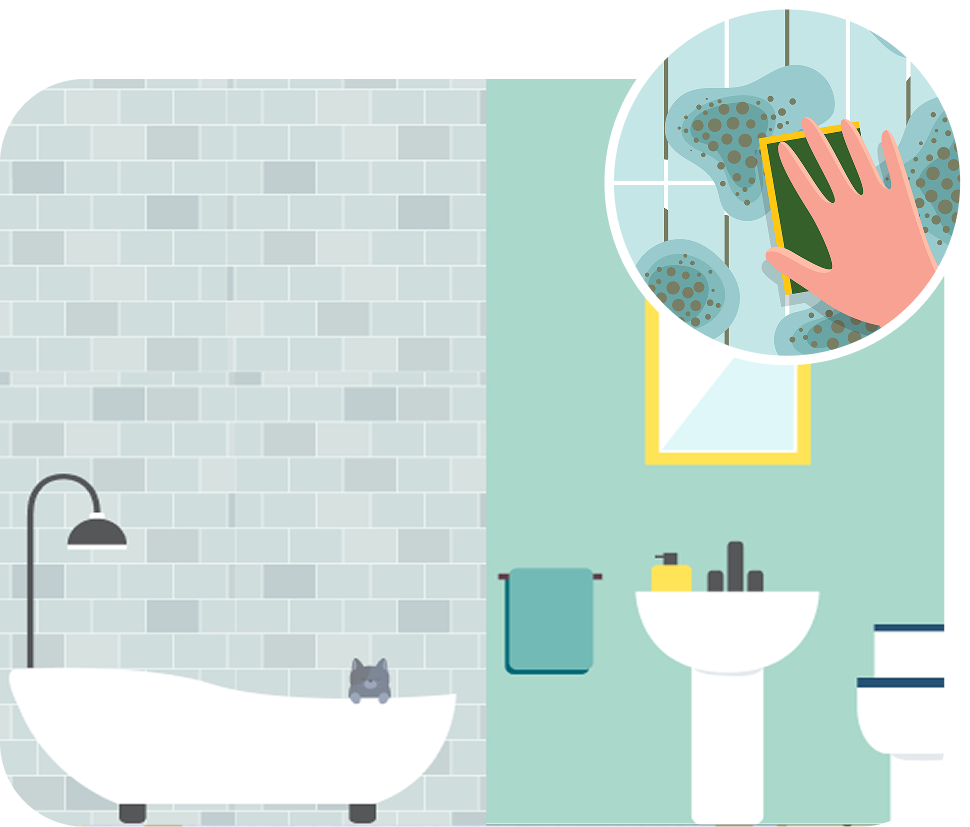
Mold allergies are estimated to affect 3% to 10% of people around the globe.5 The types of mold most likely to cause allergy symptoms are Alternaria alternata, Cladosporium herbarum, Aspergillus fumigatus, and Penicillium.6 Mold can grow on a variety of indoor surfaces, including shower doors, house plants, air conditioners, humidifiers, carpets, insulation and drywall.7
Dogs and cats are two of the most common pets that cause allergies. In one study, more than 99% of tested homes had detectable levels of cat and dog allergens.8 And because pet dander is easily transported (on clothing, for example), it often ends up in pet-free homes.9 So, not having a cat or dog is not a guarantee of a dander-free home. That dander can be found on carpets, furniture, bedding and within air ducts.

Symptoms are similar to those triggered by other allergens and "non-allergic causes." So, how do you know what's causing your symptoms? A blood test can help get to the bottom of it.
|
|


A specific IgE blood test evaluates the presence of immunoglobulin E (IgE), an antibody produced by the immune system, in a sample of your blood. Considering the symptoms you are experiencing plus your past medical history, a healthcare provider may order a specific IgE blood test to help rule in or rule out allergies and identify allergens triggering the symptoms.
One blood sample can test for multiple allergic triggers, including those top indoor allergy troublemakers. When test results come back, any detectable level of specific IgE indicates you are sensitized to that allergen (or multiple allergens).
Adding diagnostic testing to your healthcare provider’s evaluation can significantly increase confidence in an allergy diagnosis.10 With a clearer understanding of what may be causing your symptoms, you and your doctor can make more informed decisions about your care and help avoid unnecessary medications and unplanned medical visits.
To guide a productive conversation with your healthcare provider about whether a specific IgE blood test might be right for you, take the “allergy symptom questionnaire” now.
Not only can specific IgE blood tests show your sensitization to whole allergens, but a test that includes allergen components can break down results even further. Why does that matter? Being sensitized to a whole allergen doesn't always tell the full story. A deeper dive with allergen components can potentially reveal some life-altering details - like maybe you aren't allergic to all dogs, so you actually can get a four-legged friend.

Your healthcare provider will consider your specific IgE blood test results together with your clinical history to determine whether you are sensitized to one or more indoor allergens and help develop a personalized treatment and management plan.
Once the allergic cause is confirmed, treatments can range from over-the-counter medications like antihistamines and nasal sprays to more involved allergen immunotherapy, which may help you develop a tolerance to specific allergens.
For example, if your dust mite allergy symptoms continue despite antihistamines or other symptom-relief treatments, talk with your healthcare provider about your options. Further evaluation, which may include specific IgE testing, can provide additional information to help you and your healthcare provider discuss whether allergen immunotherapy may be an appropriate option for you.
A management plan from your provider will include suggestions on how to reduce exposure to the allergens that trigger symptoms. Here are some typical suggestions:
Vacuum often with a vacuum that has a HEPA filter
Use allergen-proof coverings for pillows, mattresses, etc.
Regularly change furnace filters
Fix water leaks and clean up any standing water immediately
Consider a dehumidifier to reduce humidity

A person's immune system changes as they age, and these changes can increase susceptibility to conditions such as autoimmune diseases and allergies.11 So, you might not have previously been sensitized to some indoor allergens, like dust mites or mold, but your immune system has changed, and now you are seeing symptoms because you got sensitized to those allergens.
Once your triggers are known, reducing your exposure to allergens (by getting rid of those allergens) is key to minimizing your symptoms. Here are some practical ways to do that.12,13
Animal dander
Dust mites
Cockroaches
Mold
Mice
A conversation with your healthcare provider is a great place to start. After a review of your symptoms and medical history, your provider might suggest a blood test to help get to the bottom of what's causing symptoms. A specific IgE blood test can help rule in or rule out allergies and identify the allergens triggering your symptoms. This can give your provider the information needed to help come up with a personalized treatment and management plan.
A humidifier can make some indoor allergens worse. Mold and dust mites thrive in humid environments, so increasing the humidity in your home can potentially increase those allergens, which can make symptoms worse.
No. If you’re scrubbing your floors or your shower and you start sneezing, it’s probably not an allergy. Cleaning chemicals, such as bleach and detergent, are a common cause of non-allergic rhinitis. This can result in allergy-like symptoms, but it’s your body reacting to an irritant, not producing an allergic reaction.
If your symptoms continue despite antihistamines or other symptom-relief treatments, talk with your healthcare provider about your options. Further evaluation, which may include specific IgE testing, can provide additional information to help you and your healthcare provider discuss whether allergen immunotherapy may be an appropriate option for you.

Create a summary of your allergy symptoms in a downloadable document

Share the summary with your healthcare provider for a productive conversation about allergy blood testing

Gain an optimized diagnosis and a personalized treatment plan

Allergies affect us all differently. This questionnaire will summarize your specific allergy symptoms to share with your healthcare provider and learn more about your testing options.
|
Create a summary of your allergy symptoms in a downloadable document |
Create a summary of your allergy symptoms in a downloadable document
|
Share the summary with your healthcare provider for a productive conversation about allergy blood testing |
Share the summary with your healthcare provider for a productive conversation about allergy blood testing
|
Gain an optimized diagnosis and a personalized treatment plan |
Gain an optimized diagnosis and a personalized treatment plan